
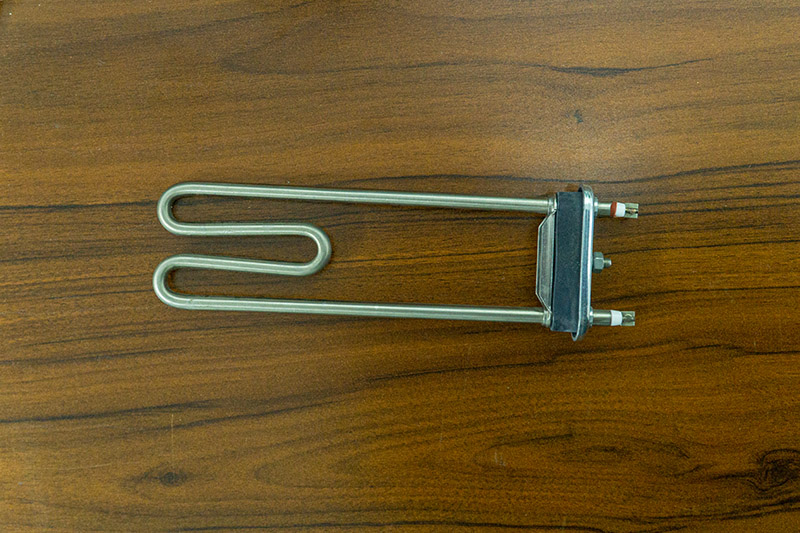

The Engine of Modern Dishwashing Hygiene
In the ecosystem of modern home appliances, the dishwasher stands as a sentinel of hygiene and convenience. While sophisticated spray arms and filtration systems manage the mechanical removal of food debris, it is the heating element that dictates the chemical and biological efficacy of the wash. Specifically, the stainless steel tubular heating element serves as the thermal heart of the machine. It is responsible for elevating water temperatures to levels necessary for activating enzymatic detergents, dissolving fats, and ensuring thermal sanitation. As appliance standards evolve towards higher efficiency and stricter safety protocols, the engineering of these tubular elements has become a critical focal point for manufacturers.
The Anatomy of the Tubular Element
A dishwasher heating element is a study in compact, rugged engineering. At its core lies a resistive wire coil—typically a Nickel-Chromium (NiCr) or Iron-Chromium-Aluminum (FeCrAl) alloy—chosen for its ability to withstand high temperatures without oxidizing rapidly. This coil is encased within a seamless metal sheath, which acts as the primary barrier against the harsh wash environment. The space between the coil and the sheath is filled with highly compacted Magnesium Oxide (MgO), a mineral that serves a dual purpose: it provides excellent electrical insulation to prevent short circuits while maintaining high thermal conductivity to transfer heat efficiently into the water.
The choice of sheath material is paramount. While standard grades are used in some entry-level models, high-performance dishwashers increasingly rely on premium stainless steel alloys, such as 1Cr18Ni9Ti or similar austenitic grades. These materials are selected for their resistance to corrosion and pitting, which are constant threats in an environment filled with aggressive detergents, high-salinity rinse aids, and varying water hardness levels. The tubular design allows for high watt density, meaning a significant amount of power can be generated from a relatively small surface area, fitting neatly into the sump or along the base of the tub.
Critical Applications: Beyond Simple Heating
The function of the tubular heating element extends far beyond merely warming the water. It is integral to several distinct phases of the dishwashing cycle.
- Main Wash Efficiency: Modern enzymatic detergents are designed to work optimally at specific temperatures, typically between 50°C and 65°C. The heating element ensures the water reaches and maintains this thermal window, allowing enzymes to break down proteins and starches effectively. Without precise thermal management, the chemical action of the detergent is compromised, leading to poor cleaning results.
- Thermal Sanitization: In an era where hygiene is paramount, the heating element plays a vital role in killing bacteria. By raising the final rinse water to temperatures exceeding 70°C, the element ensures that pathogens are eliminated, meeting rigorous sanitation standards required for baby bottles, cutting boards, and food prep utensils.
- Condensation and Zeolite Drying: In many modern European-style dishwashers, the heating element is used during the drying phase. By heating the air inside the tub or regenerating a desiccant material (like zeolite), the element facilitates a condensation drying process. This evaporates moisture from the dishes and deposits it on the cooler stainless steel walls of the tub, resulting in spot-free, dry dishes without the need for energy-intensive fan drying.
Our Company's Technological Edge
In a market where appliance longevity is a key differentiator, our company distinguishes itself through advanced metallurgical engineering and precision manufacturing. We understand that a dishwasher heater is not just a resistor; it is a component that must survive thermal cycling, chemical attack, and potential "dry start" scenarios.
- Corrosion-Resistant Alloy Selection: We go beyond standard specifications by utilizing high-grade stainless steel alloys specifically formulated to resist the pitting corrosion caused by chloride ions in water and detergents. Our materials are tested against hard water conditions to ensure they do not degrade or flake, which could otherwise lead to contamination or element failure.
- Advanced Swaging and Insulation: Our manufacturing process employs high-density swaging to compact the Magnesium Oxide insulation. This eliminates internal voids that could lead to "hot spots" or oxidation of the internal resistance wire. The result is a heater with a uniform heat distribution and a significantly extended operational lifespan.
- Safety and Dry-Boil Protection: Recognizing the risks associated with malfunctioning sensors or low water levels, our elements are engineered to withstand short periods of dry boiling without bursting or creating a fire hazard. We integrate this safety margin directly into the thermal design, ensuring that even in fault conditions, the element fails safely, protecting the consumer and the appliance.
By integrating our high-performance stainless steel tubular heating elements into your dishwasher lines, you are not just installing a heater; you are ensuring consistent cleaning performance, superior hygiene, and the reliability that modern consumers demand.


